CURE Bill Hyderabad: Can It Solve the City’s Civic Woes?
As Hyderabad continues its rapid expansion into a global IT and business hub, its civic infrastructure has struggled to keep pace. From chronic traffic bottlenecks and urban flooding to fragmented waste management and pothole-ridden roads, the city’s civic woes are well-documented.
In a major legislative move to address these challenges, the Telangana Government has passed the CURE Bill (City Urban Reform and Empowerment Bill). Designed to replace the outdated 1955 GHMC legal framework, this ambitious legislation promises a complete overhaul of metropolitan governance. But will it truly cure the city’s civic ills, or merely create another layer of administrative complexity?
What is the CURE Bill?
The CURE Bill is a comprehensive legislative framework aimed at modernizing municipal governance across the Hyderabad metropolitan region.
Key Highlights of the Bill:
- Expanded Jurisdiction: It covers approximately 2,053 sq km within the Outer Ring Road (ORR).
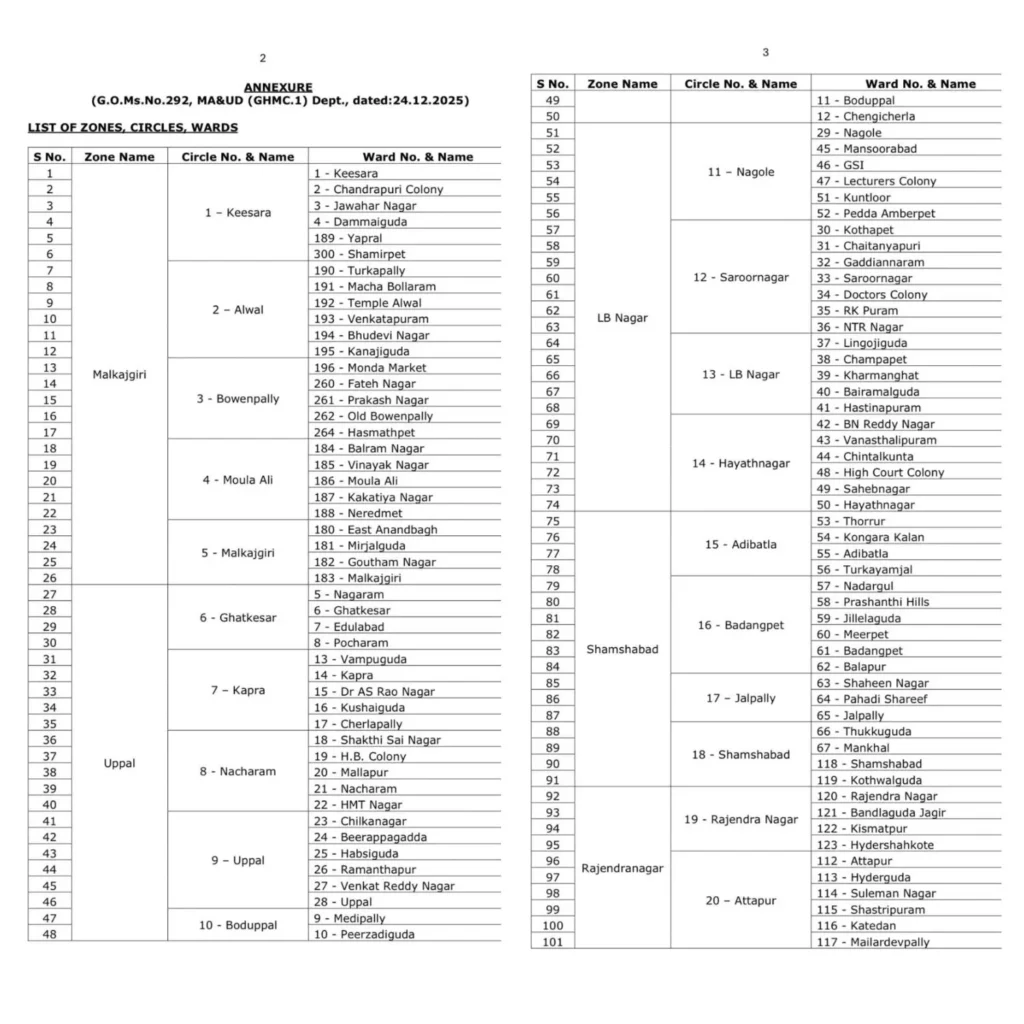
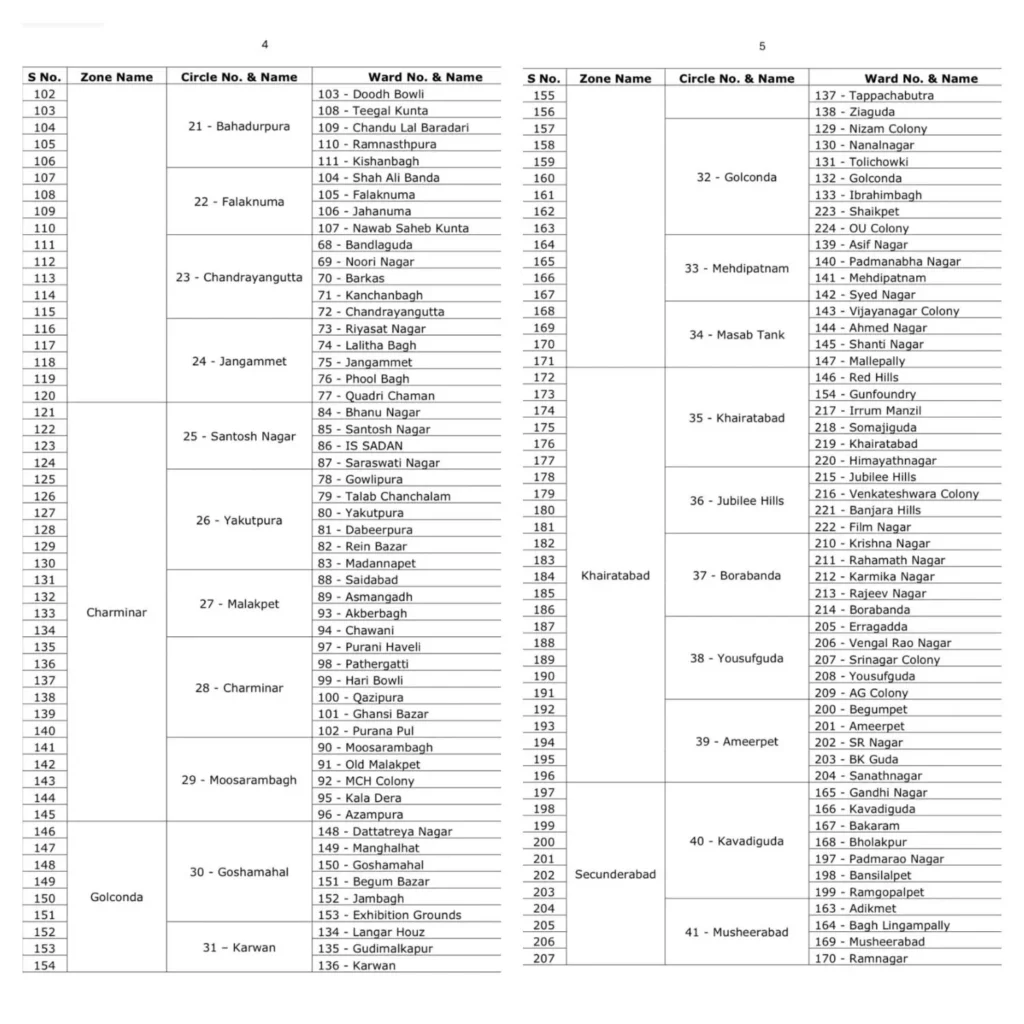
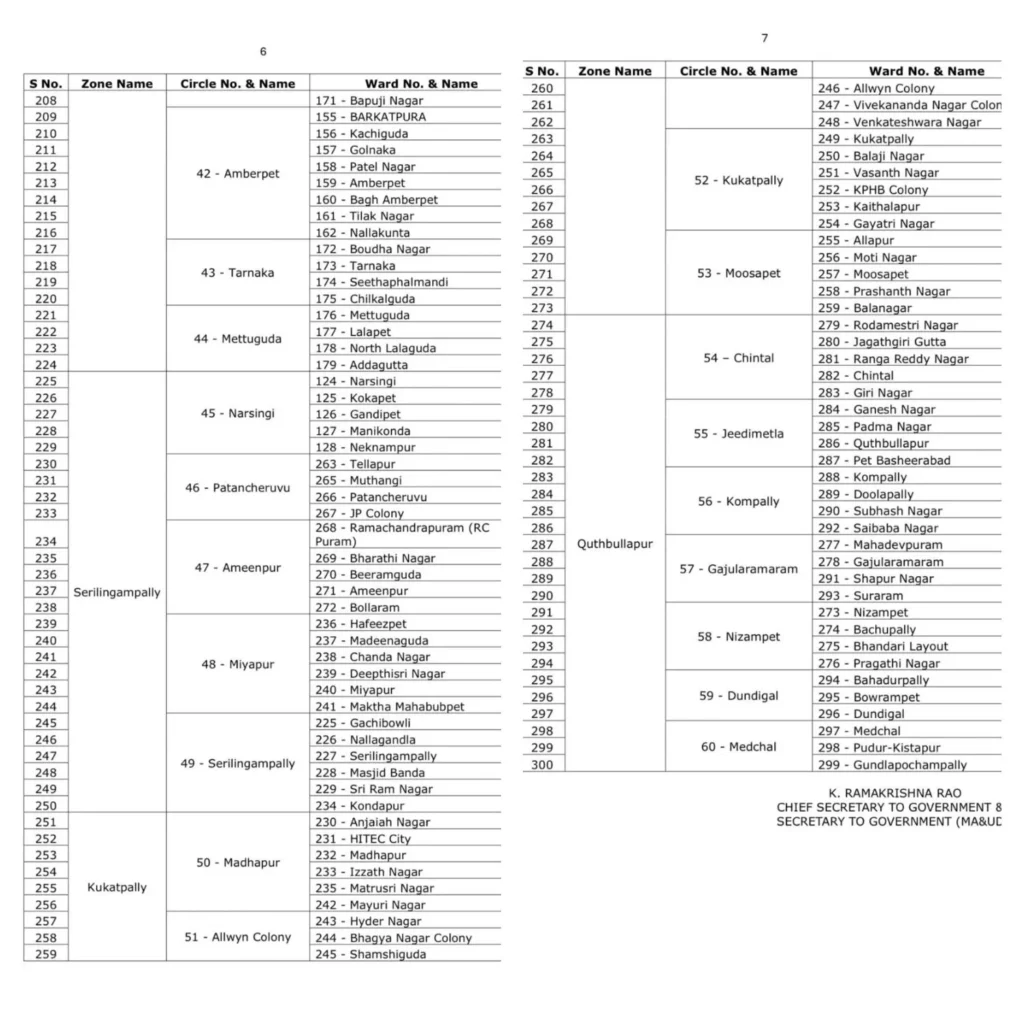
- Unified Governance: It brings three major civic bodies—GHMC (Greater Hyderabad Municipal Corporation), Cyberabad Municipal Corporation, and Malkajgiri Municipal Corporation—under a single, integrated governance framework.
- Streamlined Structure: The new Bill reportedly contains 319 sections, 43 chapters, and 9 schedules, a significant reduction from the old Act’s 687 sections, aiming for a more streamlined and modern administrative process.
The Promise: Integrated Metropolitan Governance
For decades, Hyderabad’s civic management has been plagued by fragmentation. Multiple agencies operate in silos, handling roads, drainage, water supply, transport, lakes, and disaster management separately. This lack of coordination famously results in scenarios where one department lays a fresh road, only for another to dig it up the next day for cable or sewer repairs.
The CURE Bill seeks to end this “left hand doesn’t know what the right hand is doing” approach. By creating a unified framework, the government aims to tackle systemic issues holistically, including:
- Urban flooding and Musi/nala rejuvenation
- Solid waste management and environmental protection
- Underground utilities and water supply
- Traffic management and public transport integration
Key Concerns and Criticisms
While the intent behind the CURE Bill is widely welcomed, urban experts, civil society members, and citizens have raised several valid concerns that the government must address:
1. Risk of Over-Centralization
A major point of contention is the proposed Apex Governance Council, which will be headed by the Chief Minister, supported by an Executive Committee of senior bureaucrats, police, and municipal officials. Critics fear this could sideline elected local representatives. Will the roles of the Mayor and elected corporators become merely ornamental? Strengthening local democracy requires empowering elected officials, not diluting their accountability.
2. The Tax Burden on Citizens
Any civic reform comes with a financial cost. While the government has assured that only “high-profile” sections may see increased levies and has capped the annual property tax increase at 10%, citizens remain wary. With the state budget approaching, there are underlying fears that the common man might bear the brunt of funding this massive administrative overhaul.
3. Tackling Systemic Corruption
Civic bodies have long faced allegations of bureaucratic red tape and corruption, where basic services often require “greasing palms.” The Bill must include robust, transparent mechanisms to break this network and ensure that funds are utilized strictly for public welfare, not siphoned off.
The Road Ahead: Walking the Talk
For the CURE Bill to be a genuine game-changer, the Telangana government must focus on execution and transparency.
- Public Consultation: The government must actively engage with all stakeholders—citizens, RWAs, urban planners, and elected representatives—to explain the bill’s benefits and address fears.
- Fiscal Discipline: Alongside necessary tax reforms, the administration must aggressively cut wasteful expenditure and ensure every rupee is accounted for.
- Tangible Results: Ultimately, the success of the CURE Bill will not be measured by its 319 sections, but by its on-ground impact. It must deliver visible improvements: no more waterlogging, smoother traffic, cleaner streets, and prompt grievance redressal.
Conclusion
Hyderabad undeniably needs reform. A law designed in the 1950s for a population of 15 lakh cannot govern a modern metropolis of over 1.3 crore people. The CURE Bill is a highly consequential and necessary step toward integrated urban development.
However, reforms must not become an excuse for the centralization of power or an additional burden on the common citizen. If implemented with transparency, accountability, and a genuine commitment to local democracy, the CURE Bill could indeed be the medicine Hyderabad needs. If not, it risks being dismissed as just another cosmetic change.