
Hyderabad: Hopes Rekindle for Thalassemia Patients as TSCS Steps Up Gene Therapy Initiative
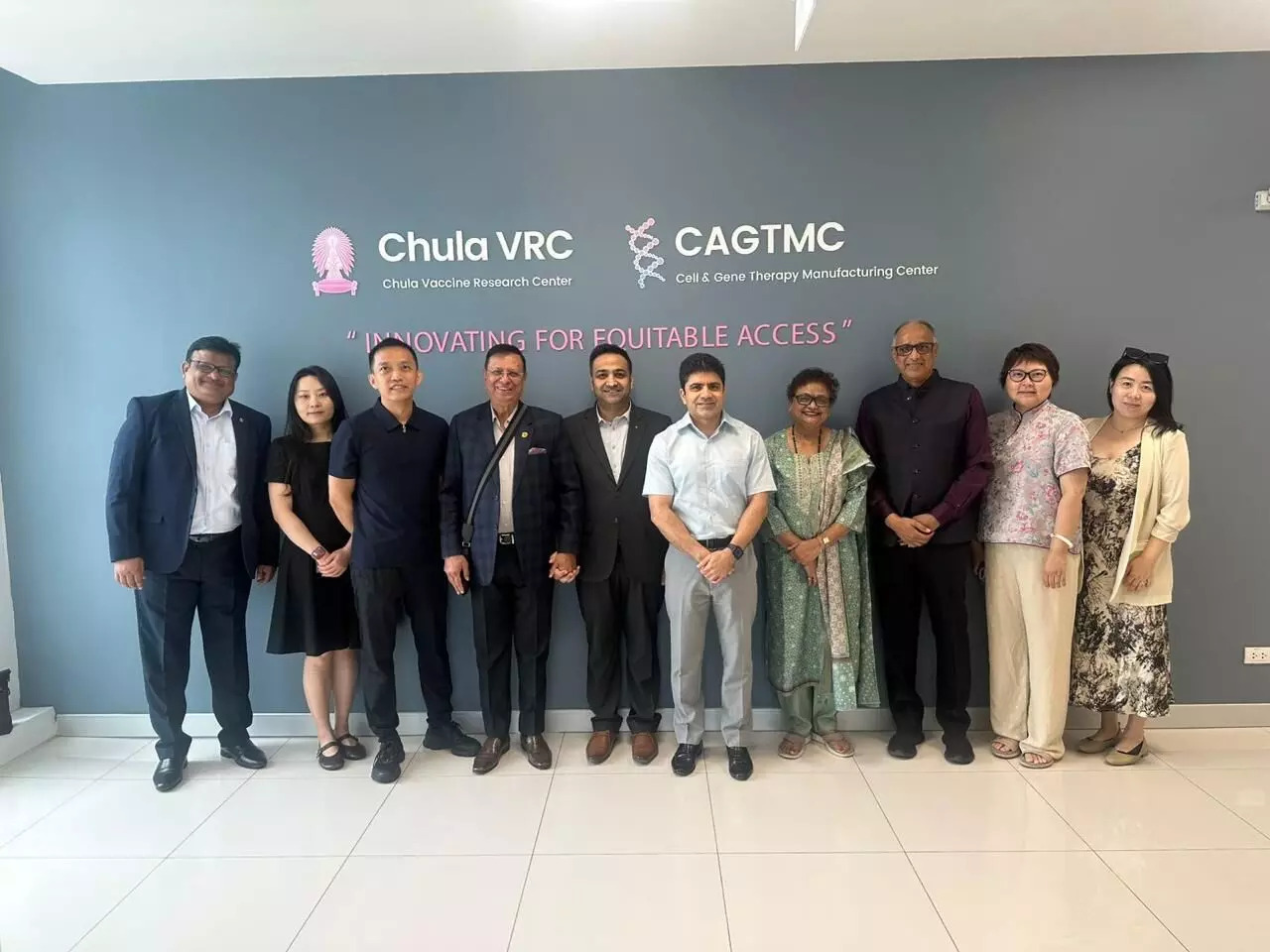
Hyderabad: Hopes for thalassemia patients have received a boost as the Thalassemia & Sickle Cell Society (TSCS) intensifies efforts to facilitate access to gene therapy, an emerging treatment that could reduce patients’ dependence on lifelong blood transfusions.
As part of its initiative, a TSCS delegation recently visited Thailand and other countries with expertise in gene therapy for thalassemia. The visit focused on understanding treatment protocols, assessing medical infrastructure and exploring possibilities for international collaboration.
The delegation was accompanied by renowned bone marrow transplant (BMT) specialist Dr. Sunil Bhat and his team. TSCS representatives who participated in the visit included Dr. Chandrakant Agarwal, President of TSCS; Dr. Suman Jain, Chief Medical Research Officer and Secretary; Mr. Naresh Rathi, Vice President; and Dr. Nishant Mittal, Scientist.
During the visit, the team held discussions with leading gene therapy centres to gain insights into treatment procedures, patient selection, infrastructure requirements and the feasibility of making advanced therapies accessible to patients in India.
Speaking about the initiative, Dr. Chandrakant Agarwal said the international visit marked an important milestone in TSCS’s efforts to bring advanced treatment options to thalassemia patients across the country.
TSCS plans to work closely with medical experts and international partners to create the necessary foundation for introducing gene therapy access in India. The organisation hopes that greater access to such advanced treatments could improve long-term health outcomes and enhance the quality of life of people living with thalassemia.
For thousands of patients who rely on regular blood transfusions, the development of accessible gene therapy could represent a significant step towards a future with reduced transfusion dependence and improved prospects for long-term health.