Skip to content Skip to left sidebar Skip to right sidebar Skip to footer

Tag: #Pochampally

Amala Akkineni Says Handloom Holds Unique Prestigious Place in Indian Culture

Actress and Blue Cross of Hyderabad co-founder Amala Akkineni inaugurated the Evwaah – Weavers Hub exhibition, a two-day handloom extravaganza at Firewater Neo Bar & Kitchen in the Financial District, Nanakramguda. The exhibition, organized by socialite Alekhya Reddy, aims to promote traditional weaves and connect weavers directly with customers.


A Grand Showcase of Indian Handloom

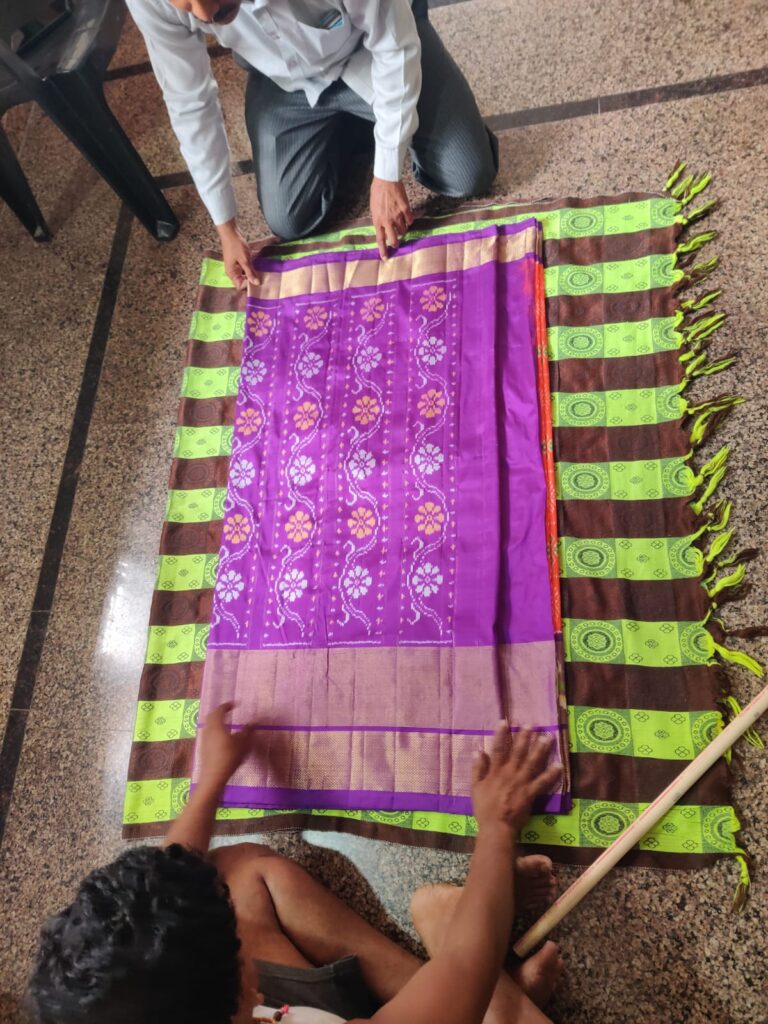
The exhibition features an exclusive collection of traditional and handcrafted textiles, with more than 1,000 varieties of handloom sarees on display. Visitors can explore renowned weaves including:

WeaveOrigin
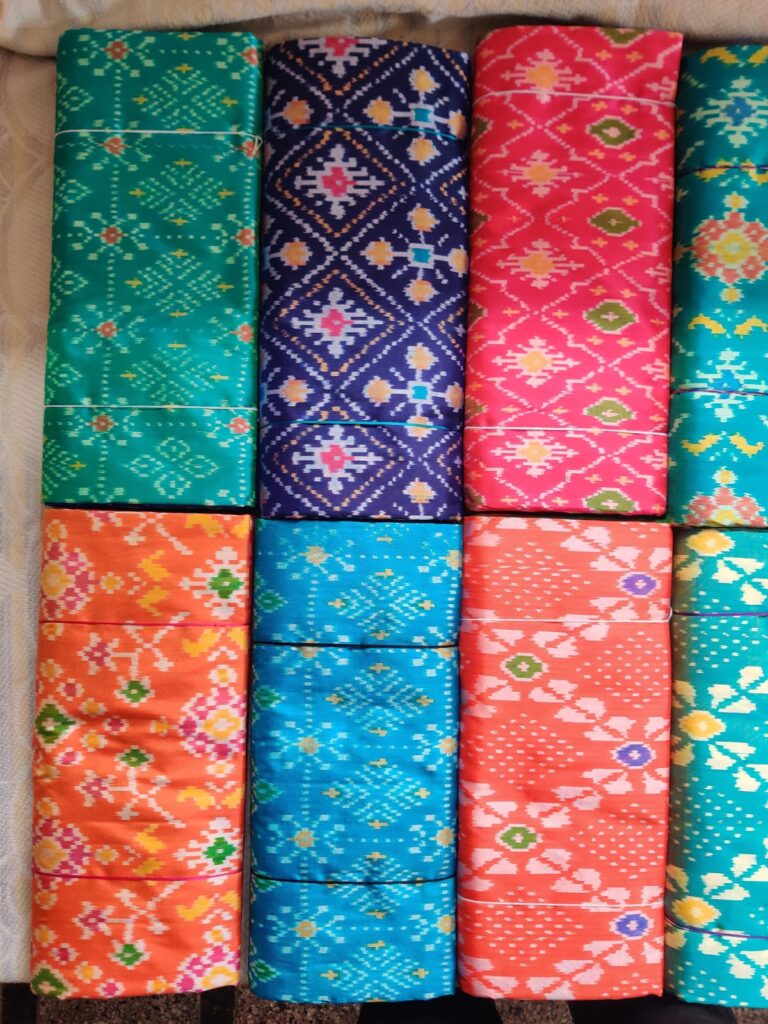
PochampallyTelangana – Known for intricate ikat patterns
PaithaniMaharashtra – Famous for vibrant colors and zari work
Patan PatolaGujarat – Double ikat weave with geometric designs

Amala Akkineni’s Address

Speaking on the occasion, Amala Akkineni emphasized the cultural significance of handloom:

“Handloom and silk hold a unique and prestigious place in Indian culture.”

Her presence at the event drew attention to the importance of preserving and promoting India’s rich textile heritage.


The Social Mission Behind Evwaah

Organizer Alekhya Reddy explained the core objective of the handloom exhibition:

“The main social objective is to promote weavers and provide a market for the handloom industry. Through these exhibitions, an effort is made to create a good market for the weavers and their handloom-woven ware.”

Key Mission Highlights:

  • ✅ Direct from weavers to customers – No merchants or middlemen
  • ✅ Pure silk and cotton products – Authentic and high-quality
  • ✅ Fair prices for weavers – Eliminating exploitation
  • ✅ Preservation of traditional crafts – Supporting age-old techniques

Event Details at a Glance

DetailInformation
EventEvwaah – Weavers Hub Exhibition
Inaugurated byAmala Akkineni
Organized byAlekhya Reddy
VenueFirewater Neo Bar & Kitchen, Financial District, Nanakramguda, Hyderabad
Duration2 days (April 4 – April 5, 2026)
Featured Items1,000+ handloom sarees including Pochampally, Paithani, Patan Patola

Why Handloom Exhibitions Matter

Events like Evwaah play a crucial role in:

  • 🧵 Empowering weavers with direct market access
  • 🧵 Preserving traditional Indian crafts for future generations
  • 🧵 Educating urban customers about handloom heritage
  • 🧵 Promoting sustainable fashion over mass-produced textiles

Visit Before It Ends!

The Evwaah Weavers Hub exhibition is open until April 5, 2026. Don’t miss this opportunity to own authentic handloom sarees while supporting the weavers directly.
Pochampally Ikkat: A Tradition in Transition

Pochampally: The Looms of Legacy and the Future of Ikkat Weaving
Nestled in the heart of Telangana, the town of Pochampally is world-renowned for its mesmerizing Ikkat patterns and exquisite handwoven sarees. Often dubbed as the “Silk City of India”, Pochampally’s weavers blend tradition and precision in a complex textile art that has earned a Geographical Indication (GI) tag and global recognition.

The Step-by-Step Process of Making a Pochampally Ikkat Saree

  1. Collection and Preparation of Yarn
    The process begins with sourcing cotton or silk yarns, typically procured from mills in nearby towns like Hyderabad or Warangal.

Degumming and Bleaching: For silk, the raw yarn is degummed and bleached.

Drying: The cleaned yarn is dried before dyeing begins.

  1. Designing and Marking the Pattern
    Pochampally’s magic lies in its “tie and dye” resist technique. Patterns are designed on graph paper, and each color and section is meticulously calculated.
  2. Tying the Yarn (Resist Dyeing)
    This step, called “Bandhana”, involves:

Tying sections of yarn tightly with threads to prevent dye penetration.

These areas remain undyed during the dyeing process, creating intricate patterns.

  1. Dyeing the Yarn
    Yarns are dipped in dye vats (using natural or synthetic dyes).

The process is repeated for multiple colors, drying and retying in between.

This phase demands immense precision, as the final pattern must align perfectly when woven.

  1. Warping and Loom Preparation
    Once dyed, yarns are set up on the warp beam (longitudinal threads). The loom is then calibrated manually to match the design specifications.
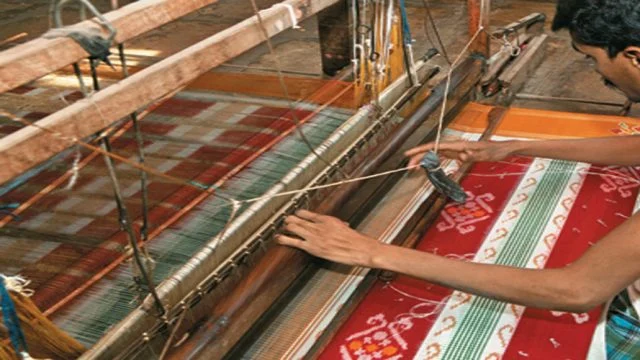
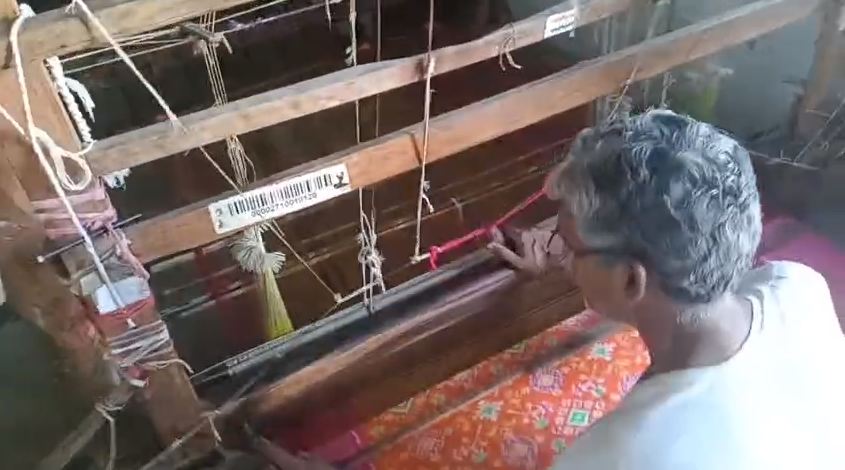
  2. Weaving the Fabric
    Using pit looms or frame looms, weavers interlace the dyed yarns into complex, colorful patterns.

The weft (horizontal threads) and warp (vertical threads) need to match precisely.

Each saree can take 7–10 days depending on the complexity of the design.

Challenges Faced by Pochampally Weavers
Despite the beauty and demand of their craft, Pochampally weavers face multiple hardships:

  1. Declining Profits
    Middlemen often take the lion’s share of profits.

Fluctuations in raw material prices (especially silk) impact earnings.

  1. Lack of Market Access
    Limited reach to national and international markets.

Dependence on government exhibitions or state-run emporiums.

  1. Labour-Intensive Process
    The intricate dyeing and weaving process is time-consuming and physically taxing.

Younger generations are migrating to urban jobs, leading to a decline in skilled artisans.

  1. High Cost of Modernization
    Power looms and automatic dyeing machines are costly.

Many weavers cannot afford to invest without external help.

Financial Support: Loans and Schemes
The government and cooperative societies have introduced various aids:

  1. Weaver Credit Card (WCC) Scheme
    Offers loans up to ₹2 lakhs at subsidized interest.

Helps in purchasing raw materials, looms, and other necessities.

  1. Mudra Loans
    Offered under Pradhan Mantri MUDRA Yojana.

Enables micro-financing for artisan-led enterprises.

  1. Cooperative Societies and DWCRA Groups
    Help in bulk procurement, marketing, and fair pricing.

Provide weavers with basic wages and shares in profits.

  1. Handloom Weavers Comprehensive Welfare Scheme
    Covers insurance, health, and pension benefits for registered weavers.

Innovative Ideas to Boost Productivity and Sustainability
To keep the legacy of Pochampally alive, a blend of traditional skill and modern innovation is key.

  1. Digital Design and CAD Tools
    Use of Computer-Aided Design (CAD) tools for pattern-making.

Helps weavers replicate and innovate faster with fewer errors.

  1. Solar-Powered Looms
    Reduces dependency on erratic power supply.

Cuts energy costs and boosts working hours.

  1. E-commerce and Direct-to-Customer Models
    Platforms like Amazon Karigar, GoCoop, and personal websites enable weavers to reach global buyers.

Eliminates middlemen and improves profit margins.

  1. Skill Development and Youth Training
    Government and NGOs offer training in dyeing, modern weaving techniques, and digital literacy.

Attracts younger generation to continue the craft.

  1. Sustainable and Eco-Friendly Practices
    Adoption of natural dyes, organic cotton, and water-recycling units for dyeing processes.

Appeals to environmentally conscious consumers globally.

Conclusion: Weaving a Brighter Future
Pochampally’s Ikkat is more than just fabric—it’s a tapestry of culture, patience, and artistry. With appropriate financial backing, modern infrastructure, and greater visibility, the skilled hands of Pochampally can continue weaving not just sarees but also a stronger future for their community.