Skip to content Skip to left sidebar Skip to right sidebar Skip to footer

Tag: #GreenHyderabad

KBR Park Hyderabad Project Plan Changed, New Flyover Proposal Emerges

Hyderabad, October 2026 – In a major victory for pragmatic urban planning and fiscal responsibility, the Greater Hyderabad Municipal Corporation (GHMC) and the Telangana government have officially shelved the ambitious ₹1,090 crore flyover and underpass project around the iconic KBR (Kasu Brahmananda Reddy) National Park.

Instead of pouring billions into massive concrete infrastructure, authorities have opted for a smarter, highly effective alternative: continuing the recently implemented one-way traffic system, supplemented by a single, targeted elevated platform connecting KBR Road to the Jubilee Hills Metro Station.

The Original Plan: A ₹1,000+ Crore Mega-Project

Initially, to combat the severe traffic congestion plaguing the roads surrounding KBR Park, the government proposed a massive infrastructural overhaul. The plan included constructing multiple flyovers and underpasses to streamline vehicular movement. Estimated to cost over ₹1,000 crore, the project was designed to be a permanent, heavy-duty solution to one of Hyderabad’s most notorious traffic bottlenecks.

The Pivot: Why the Change of Plans?

Before committing to the massive expenditure, authorities implemented a one-way traffic system as a trial measure to assess traffic flow and public adaptation. The results were nothing short of transformative.

Despite initial public skepticism and navigation challenges during the first few days, the one-way system proved to be highly successful. Traffic congestion, which had plagued the area for years, dissipated significantly. The smooth flow of vehicles nullified earlier criticisms, proving that a low-cost, smart traffic management strategy could achieve what a ₹1,000 crore concrete project aimed to do.

The New Strategy: Minimalist and Effective

With the one-way system now fully embraced by the public, the government has revised its approach:

  1. Shelving the Mega-Project: The construction of multiple flyovers and underpasses has been officially dropped, saving the exchequer over ₹1,000 crore.
  2. Targeted Elevated Platform: The only major infrastructural addition will be a single overpass with an elevated platform starting from the midway point of KBR Road and connecting directly to the Jubilee Hills Metro Station. This ensures seamless last-mile connectivity for commuters without disrupting the park’s ecosystem.

Strategic Impact on Urban Planning

This decision marks a significant shift in how Hyderabad approaches urban mobility and infrastructure development:

  • Massive Fiscal Savings: Redirecting ₹1,000+ crore allows the government to allocate funds to other critical civic projects across the city, from drainage improvements to peripheral road expansions.
  • Ecological Preservation: KBR Park is a vital green lung for Hyderabad. Avoiding massive excavation and concrete construction around its periphery protects the local biodiversity, reduces noise pollution, and preserves the park’s serene environment.
  • Proof of Concept for “Soft” Infrastructure: The success of the one-way system demonstrates that behavioral and regulatory changes (soft infrastructure) can sometimes be more effective and sustainable than heavy civil engineering (hard infrastructure).
  • Enhanced Public Trust: By listening to the ground reality and adapting the plan based on successful trial results, the authorities have shown responsiveness to public convenience and fiscal prudence.

Looking Ahead

The “No KBR Flyover” decision is a refreshing example of adaptive governance. It proves that the best solutions are not always the most expensive ones. As Hyderabad continues to grow, this balanced approach—prioritizing smart traffic management, ecological sensitivity, and fiscal responsibility—will be crucial in shaping a truly sustainable and livable smart city.

An official announcement regarding the revised timeline for the Jubilee Hills Metro elevated platform is expected soon, but for now, commuters can breathe a sigh of relief: the roads around KBR Park are flowing smoothly, and the park’s tranquility remains intact.
Cyberabad Municipal Corporation Plans to Transform Green Waste into Industrial Bio-Fuel via New PPP Initiative

Hyderabad, October 2026 – The Cyberabad Municipal Corporation (CMC) is planning to convert green waste from tree pruning and horticulture activities into bio-briquettes for industrial fuel. The initiative aims to improve urban waste management while creating a useful energy product from biodegradable waste.

CMC has issued an Expression of Interest (EOI) to establish, operate and maintain a green waste-to-bio-briquette plant under a Public-Private Partnership (PPP) model.

Turning Green Waste into Industrial Fuel

The proposed plant will process different types of green waste, including:

  • Tree-pruning waste
  • Horticulture waste
  • Landscaping residues
  • Avenue plantation trimmings
  • Other biodegradable green waste

The facility will have a minimum processing capacity of 5 tonnes per day. The capacity can also be increased depending on seasonal waste availability.

The processed material will be converted into high-density bio-briquettes. These biomass-based fuels can be used as an alternative to conventional fuels such as coal and firewood in industrial applications.

How the PPP Model Will Work

CMC and the selected private partner will have different responsibilities under the proposed project.

CMC will facilitate:

  • Land for the facility
  • Electricity
  • A regular supply of municipal green waste
  • Administrative and statutory approvals

The private partner will be responsible for:

  • Investment in plant and machinery
  • Staff and manpower
  • Plant operations
  • Maintenance
  • Marketing and sale of bio-briquettes

The private agency is expected to have relevant experience in biomass, waste management, renewable energy or briquette and pellet manufacturing.

Environmental and Economic Benefits

The project could provide several benefits for Hyderabad’s waste management system.

Reduced Open Burning

Processing green waste into fuel can help reduce the need for open burning and divert biodegradable material from disposal sites.

Resource Recovery

Instead of treating branches, leaves and pruning residues as waste, the project will convert them into a commercially useful biomass fuel.

Potential Revenue

The sale of bio-briquettes to industrial users could create a new revenue opportunity linked to municipal waste management.

Circular Economy

The initiative supports a circular economy approach, where waste generated through urban landscaping can be recovered and converted into a useful resource.

Supporting Sustainable Urban Development

Green waste from urban parks, roadsides and landscaping activities can be difficult to manage when generated in large quantities. Converting this material into bio-briquettes could provide an alternative to conventional disposal methods.

The proposed CMC project also connects urban waste management with renewable biomass energy, potentially creating a model that could be considered by other cities.

What Happens Next?

CMC is inviting eligible private-sector organisations to participate in the EOI process and develop the proposed facility.

If implemented successfully, the project could demonstrate how urban green waste can be recovered, processed and converted into industrial fuel, supporting cleaner waste management and resource recovery in Cyberabad.

No PoP Ganesh Idol Immersion in Hyderabad’s Hussain Sagar

Hyderabad Takes a Green Stand for Ganesh Chaturthi

As millions of devotees prepare to bid farewell to Lord Ganesha, Hyderabad is making a strong environmental statement. The Hyderabad Police, in collaboration with the Greater Hyderabad Municipal Corporation (GHMC), have launched a comprehensive awareness campaign ahead of Ganesh idol immersion, urging citizens to say “No to Plaster of Paris (PoP)” idols and embrace eco-friendly alternatives.

The Environmental Crisis: Why PoP Must Go

For years, the immersion of Ganesh idols made from Plaster of Paris has posed a severe threat to Hyderabad’s iconic Hussain Sagar lake and other water bodies. PoP idols:

  • Take years to dissolve in water
  • Release toxic chemicals and heavy metals
  • Harm aquatic life and ecosystems
  • Pollute water sources used by communities
  • Create long-term environmental damage

Court Directives Drive Change

The awareness campaign is rooted in legal mandates aimed at environmental protection:

Key Court Orders:

  • 2021: Supreme Court allowed PoP idol immersion in Hussain Sagar as a one-time exception
  • 2023: Telangana High Court issued strict directions prohibiting PoP idol immersion in Hussain Sagar and other Hyderabad water bodies
  • Current: Authorities are implementing centralized immersion arrangements to minimize environmental impact

The High Court has specifically directed officials to: ✅ Avoid PoP idol immersion in water bodies
✅ Restrict heavy crane usage on the Upper Tank Bund side
✅ Reduce pollution and protect water ecosystems
✅ Promote eco-friendly alternatives

Infrastructure & Arrangements for Eco-Friendly Immersion

To facilitate the transition to sustainable practices, civic authorities are implementing robust infrastructure:

Centralized Immersion Points:

  • Location: Necklace Road shoreline of Hussain Sagar
  • Enhanced Facilities: Additional platforms and cranes being installed
  • Purpose: Manage centralized immersion processions efficiently
  • Strategy: Discourage idol movement toward Upper Tank Bund and unrestricted areas

Awareness Campaign Elements:

Flex banners at strategic locations
Informational boards throughout the city
📢 Barricades at Hussain Sagar and key immersion sites
📢 Direct notices against PoP idol usage

Police Appeal to Festival Organizers

The Hyderabad Police have made a heartfelt appeal to Ganesh festival committees and devotees:

“Choose eco-friendly idols made from natural clay and biodegradable materials. Follow court orders and immersion guidelines to protect our water bodies for future generations.”

What Makes an Idol Eco-Friendly?

  • Natural clay (shadu mati) – Traditional, biodegradable
  • Natural colors – Free from chemical dyes
  • Biodegradable decorations – Flowers, leaves, natural materials
  • No plastic or synthetic accessories

The Bigger Picture: Balancing Faith & Environment

This initiative represents a crucial balance between religious devotion and environmental responsibility. Hyderabad’s approach demonstrates that:

  • Tradition can evolve with environmental consciousness
  • Devotion doesn’t require destruction of nature
  • Community cooperation can drive positive change
  • Legal frameworks support sustainable practices

What Devotees Can Do

Before Immersion:

  1. Choose idols made from natural clay
  2. Avoid PoP and chemical-based decorations
  3. Verify that your idol is eco-friendly certified

During Immersion:

  1. Use designated immersion points
  2. Follow police and civic authority guidelines
  3. Participate in organized processions
  4. Avoid unauthorized water bodies

After Immersion:

  1. Report illegal PoP idol immersion
  2. Encourage others to go green
  3. Participate in cleanup drives

The Impact: Protecting Hussain Sagar

Hussain Sagar, Hyderabad’s iconic heart-shaped lake, has suffered from pollution for decades. By eliminating PoP idol immersion:

  • Water quality improves significantly
  • Aquatic life thrives without toxic exposure
  • Lake ecosystem recovers naturally
  • Future generations inherit cleaner water bodies

A Model for Other Cities

Hyderabad’s proactive approach serves as a blueprint for other Indian cities grappling with festival-related pollution. By combining:

  • Legal enforcement
  • Public awareness
  • Infrastructure development
  • Community engagement

The city is proving that large-scale religious celebrations can coexist with environmental protection.

Conclusion: A Call to Action

As Ganesh Chaturthi 2026 unfolds, Hyderabad stands at a crossroads. The choice between convenience and conscience, between tradition and transformation, rests with every devotee, every festival organizer, and every citizen.

The “No PoP” campaign is more than just a restriction—it’s an invitation to: 🌱 Embrace sustainable traditions
🌱 Protect our natural heritage
🌱 Celebrate with consciousness
🌱 Honor Lord Ganesha by protecting His creation

This Ganeshotsav, let’s immerse our faith in devotion, not our lakes in pollution. Jai Ganesh! 🙏


How to Participate:

  • Report violations: Contact Hyderabad Police or GHMC
  • Buy eco-friendly: Support local artisans making clay idols
  • Spread awareness: Share this message with your community
  • Lead by example: Choose green, immerse clean

Together, we can make Hyderabad’s Ganesh immersion a celebration of both faith and environmental stewardship.

GHMC Launches Citywide Special Sanitation Drive

GHMC Launches Citywide Special Sanitation Drive

The Greater Hyderabad Municipal Corporation (GHMC) has announced a Special Sanitation Drive across Hyderabad, scheduled from February 3 to February 28, aimed at enhancing city cleanliness and waste management.

As part of the initiative, sanitation activities will be carried out daily in nearly 300 divisions across the city. The drive will focus on the removal of legacy waste, municipal solid waste, construction and demolition (C&D) waste, green waste, and waste generated from engineering and urban biodiversity works.

Focus Areas

Cleaning operations will be implemented in a phase-wise manner at major public and high-footfall locations, including:

  • Flyovers and Foot Over Bridges (FOBs)
  • Roadsides, dividers, and central medians
  • Footpaths and public parks
  • Lakes and nalas
  • Areas surrounding electric transformers and utility poles

Special Measures

Dedicated teams will be deployed to:

  • Clear identified legacy waste dumping sites
  • Remove C&D waste using specialized vehicles
  • Eliminate Garbage Vulnerable Points (GVPs) across the city

In addition to sanitation activities, GHMC will conduct awareness programs involving citizens, schools, and Resident Welfare Associations (RWAs). The drive will also promote e-waste collection, reuse through RRR (Reduce, Reuse, Recycle) Centres, and enforce spot fines for littering and open urination to ensure sustained cleanliness.

GHMC officials stated that the initiative aims to create a cleaner, healthier, and more sustainable urban environment with active public participation.

Conference on Air Quality Index to Be Held in Hyderabad on January 29-2026

Hyderabad:
The State Planning Department will organise a conference on Air Quality Index (AQI) and air quality management at the Dr. MCRHRD Institute of Telangana in Hyderabad on Thursday, January 29, with technical support from the Telangana State Pollution Control Board.

According to an official press note, the conference aims to bring together experts, stakeholder departments, non-governmental organisations, universities and civil society groups to discuss effective strategies for improving air quality across the State. Specialists in the field will share best practices for regulating various sources of air pollution and strengthening coordinated action among stakeholders.

The session will be chaired by Deputy Chief Minister Mallu Bhatti Vikramarka, along with other Ministers, senior officials and subject experts.

Key topics to be discussed during the technical sessions include the adoption of best available techniques, increased use of cleaner fuels to minimise emissions, and strategies for reducing road transport emissions towards net-zero targets. The discussions are expected to focus on practical solutions and policy-level interventions for sustainable air quality management.

The conference is part of the State government’s ongoing efforts to address environmental challenges and promote cleaner, healthier urban environments in Telangana.

18th Mulam Santha Successfully Concluded on December 13, 2025 at Tarnaka

 Mulam Santha – A Celebration of Sustainability and Tradition

Hyderabad, December 13, 2025:
The 18th Mulam Santha, jointly organized by the CSR Memorial Foundation and Grama Bharathi, was successfully held at Marri Krishna Hall, Tarnaka, celebrating sustainability, traditional living, and rural empowerment.

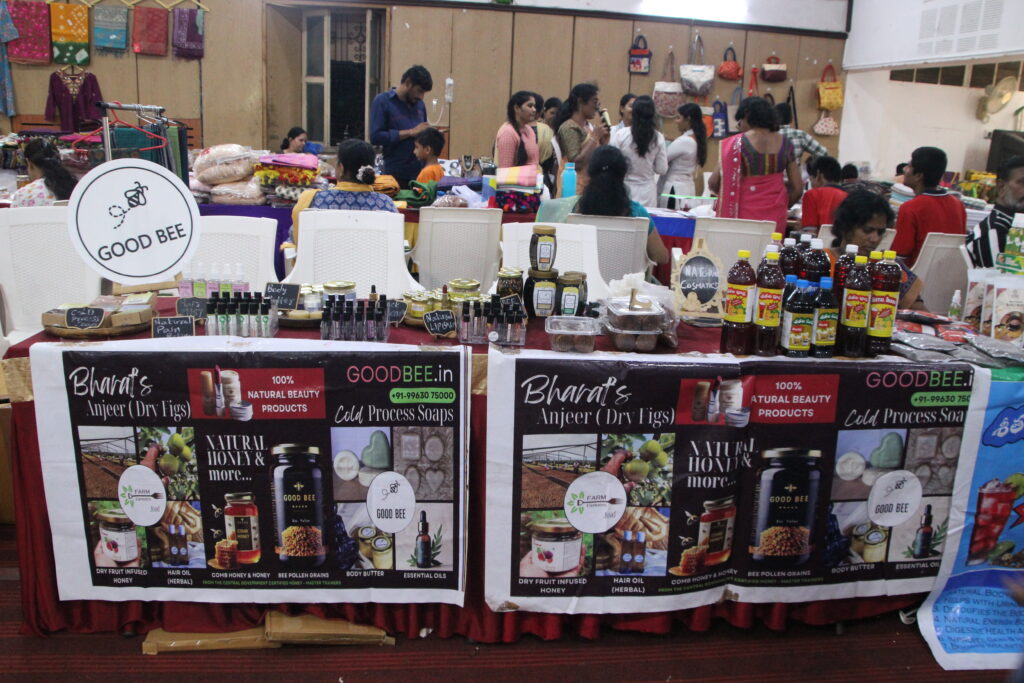
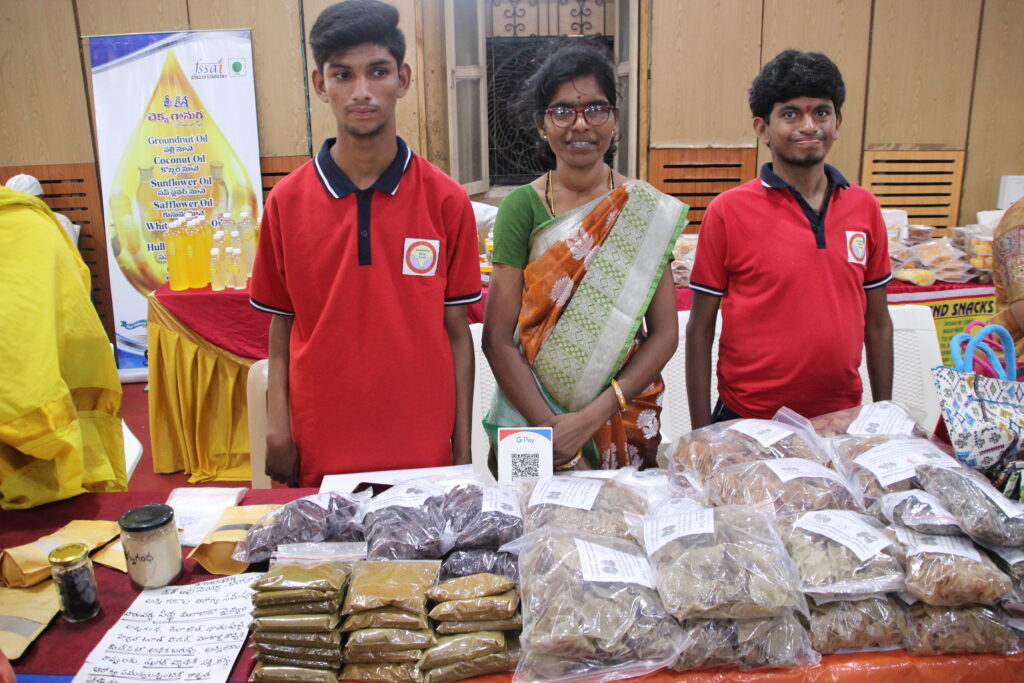
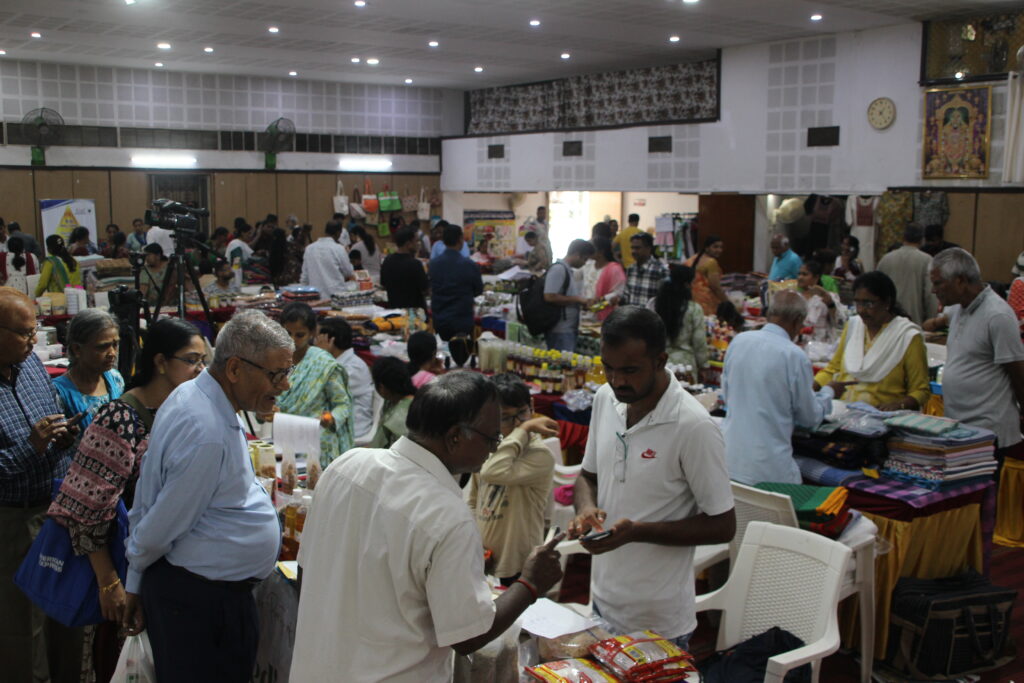
The eco-market brought together farmers, artisans, khadi workers, and millet producers from across three states, featuring over 100 stalls and 500 varieties of natural and eco-friendly products. Visitors explored seeds, saplings, bio-enzymes, herbal powders, clay crafts, khadi garments, and millet-based foods — directly supporting rural livelihoods and sustainable practices.

Mulam Santha served as a meaningful bridge between rural producers and conscious consumers, promoting organic farming, local production, and self-reliant communities. The event attracted hundreds of Hyderabadis, reinforcing the city’s growing commitment to eco-friendly living.

Organizers thanked volunteers, participants, and visitors for making the fair a grand success. Each edition of Mulam Santha continues to inspire people to embrace traditional values and sustainable lifestyles, taking Hyderabad one step closer to a greener tomorrow.

17th Mulam Santha Successfully Concluded on November 8, 2025 at Tarnaka

🌿 Mulam Santha – A Celebration of Sustainability and Tradition

Hyderabad, November 8, 2025:
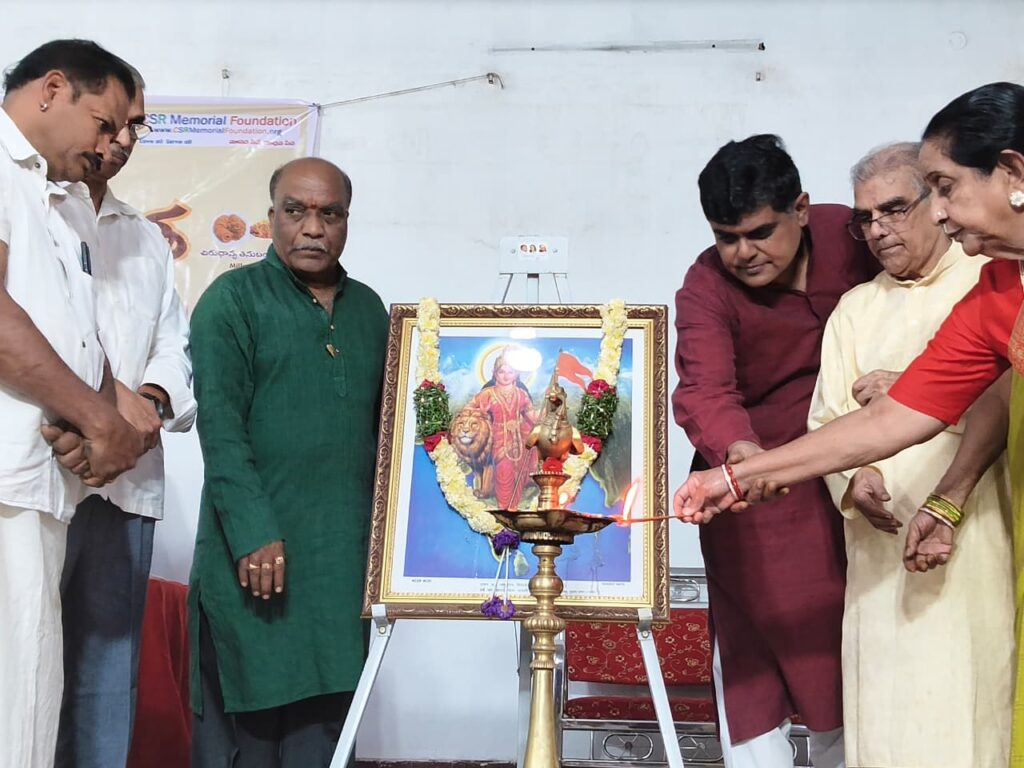
The 17th Mulam Santha, jointly organized by the CSR Memorial Foundation and Grama Bharathi, was successfully held at Marri Krishna Hall, Tarnaka, celebrating sustainability, traditional living, and rural empowerment.

The eco-market brought together farmers, artisans, khadi workers, and millet producers from across three states, featuring over 100 stalls and 500 varieties of natural and eco-friendly products. Visitors explored seeds, saplings, bio-enzymes, herbal powders, clay crafts, khadi garments, and millet-based foods — directly supporting rural livelihoods and sustainable practices.

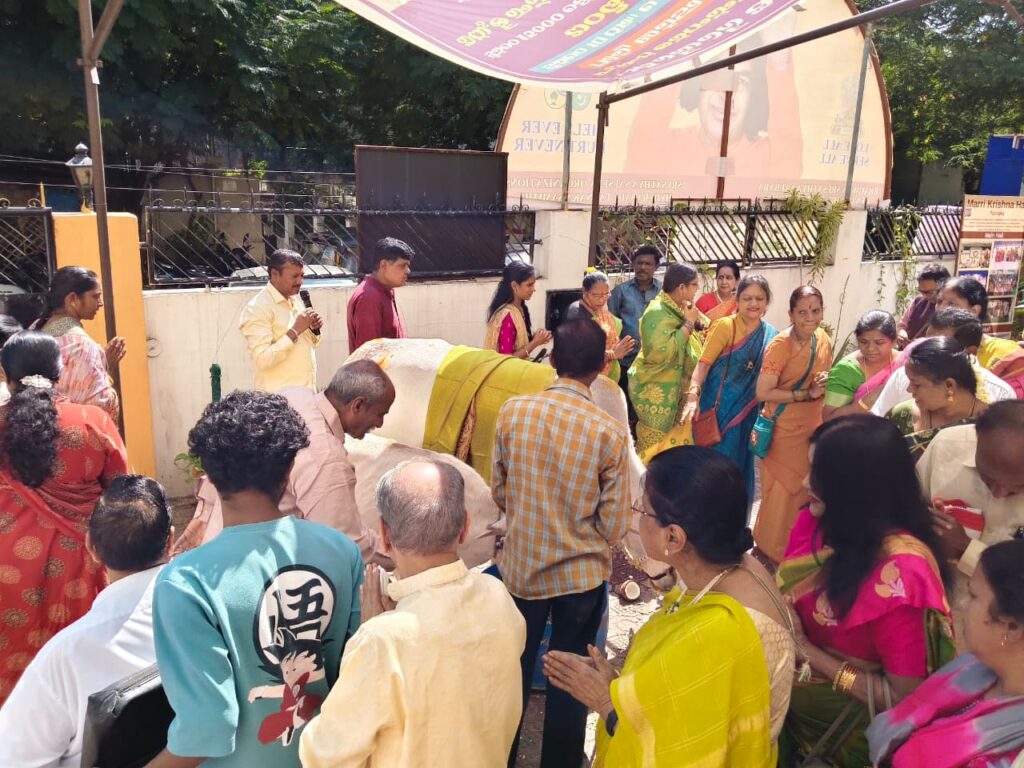
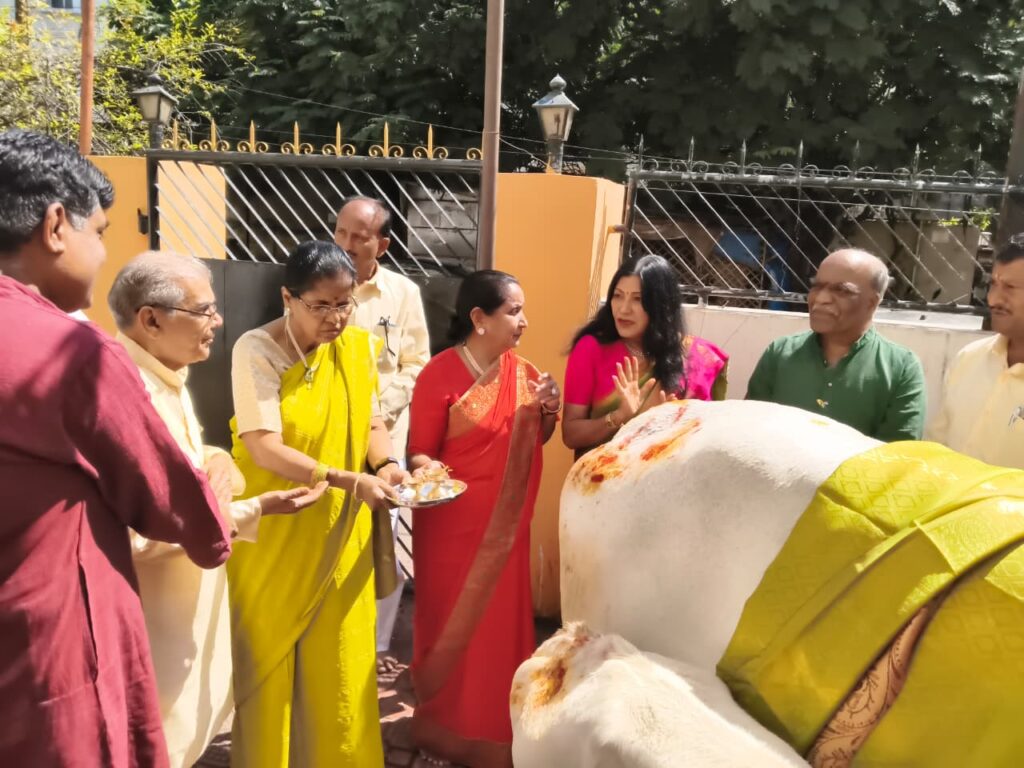
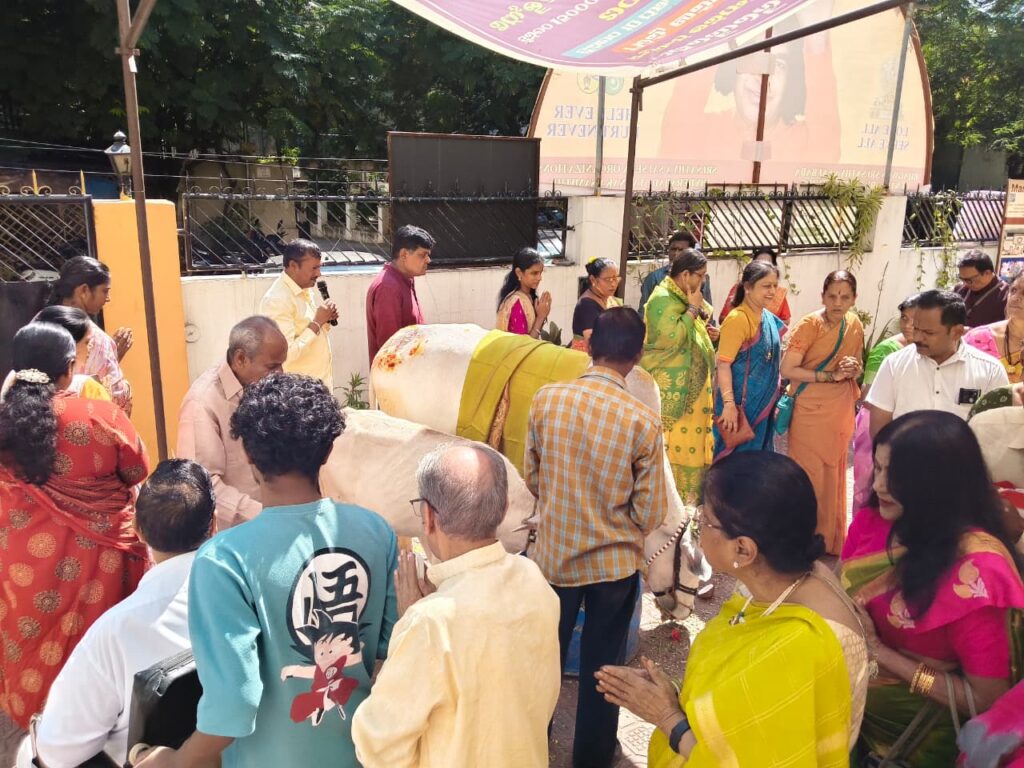
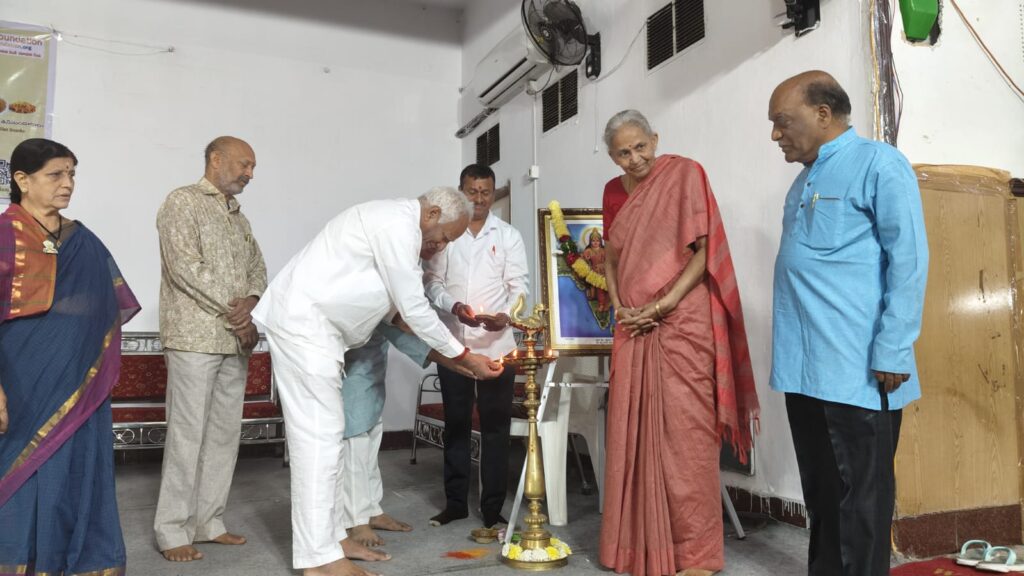
A special Gomatha Puja added a spiritual touch to the event, symbolizing reverence for nature and traditional wisdom.

Mulam Santha served as a meaningful bridge between rural producers and conscious consumers, promoting organic farming, local production, and self-reliant communities. The event attracted hundreds of Hyderabadis, reinforcing the city’s growing commitment to eco-friendly living.

Organizers thanked volunteers, participants, and visitors for making the fair a grand success. Each edition of Mulam Santha continues to inspire people to embrace traditional values and sustainable lifestyles, taking Hyderabad one step closer to a greener tomorrow.