
Hyderabad’s Paradise–Shamirpet Elevated Corridor Set to Reshape North Hyderabad Commute
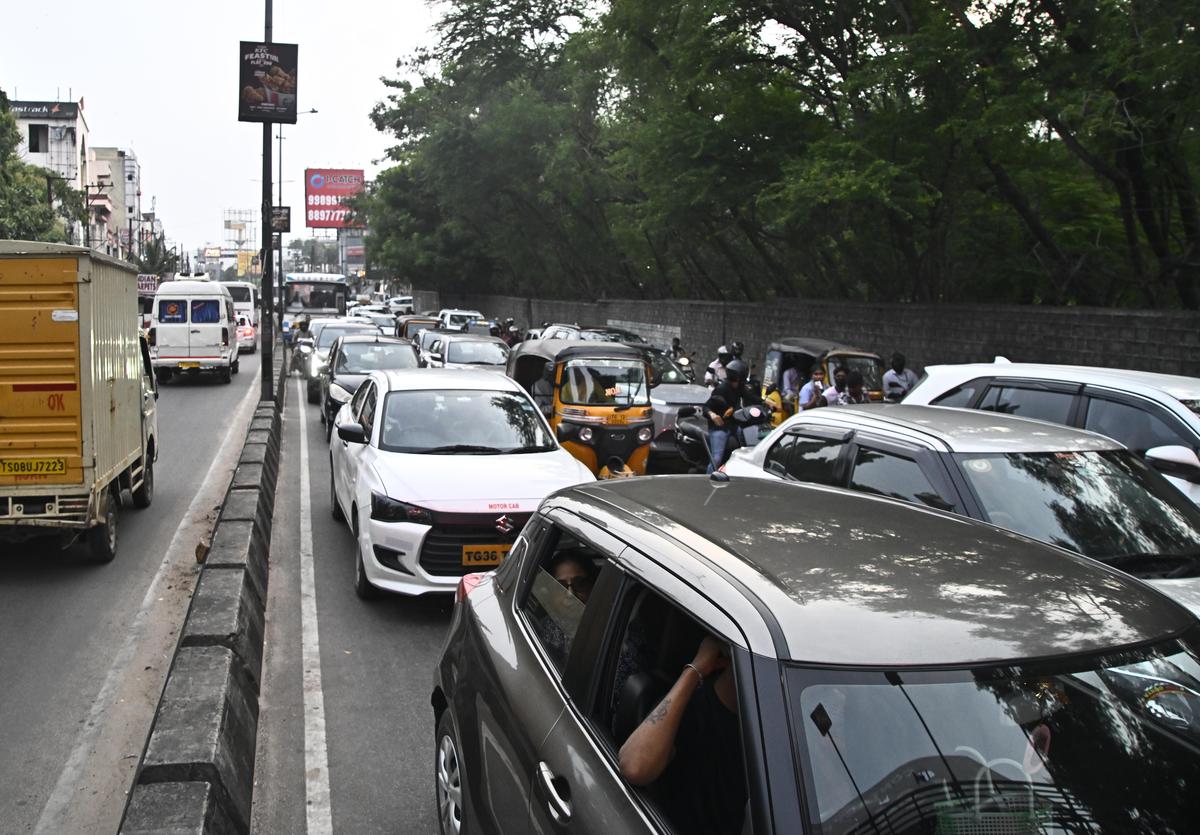
Hyderabad’s proposed 18.18-km Paradise–Shamirpet elevated corridor is expected to provide a faster route for long-distance traffic travelling along Rajiv Rahadari (SH-1), while allowing the existing road to continue serving local commuters.
The corridor will connect Paradise Junction with the Outer Ring Road (ORR) at Shamirpet, with multiple entry and exit ramps planned along the route. The design is intended to allow motorists travelling towards Alwal, Bolarum, Kowkur, Thumkunta and Shamirpet to bypass several heavily congested junctions.
For commuters such as Y. Bharat, who travels from Begumpet towards Kowkur, the project could significantly change a daily journey that currently takes more than an hour. The route passes through several busy points, including Paradise, Karkhana, Trimulghery, Alwal and Hakimpet.
Residents farther north could also see a difference. Commuters from Shamirpet and Thumkunta currently pass through Hakimpet, Bolarum, Alwal, Trimulghery, Karkhana and Patny before reaching central Hyderabad. By shifting through traffic onto an elevated route, the project is expected to reduce pressure on the surface road.
However, residents along the alignment are also facing disruption during construction. Road-widening and preparatory works have already affected parts of Lothkunta and Shamirpet, with several establishments demolished. The project will also require the removal of structures including the Trimulgherry RTO office and Marredpally Traffic Police Station.
Residents in Karkhana and other congested areas have raised concerns about traffic diversions and construction-related disruption before the corridor becomes operational. Some commuters have also questioned whether additional road capacity alone can provide long-term congestion relief, highlighting the importance of improved public transport.
According to a Hyderabad Metropolitan Development Authority (HMDA) official, the elevated corridor is estimated to be completed by early 2028. Once operational, the project is expected to separate a significant share of long-distance traffic from local movements, potentially making the existing surface road more accessible for neighbourhood traffic.
0 Comments