
Hyderabad’s Elevated Corridor: Progress Comes at a Price for Lothkunta’s Beloved Neighborhood
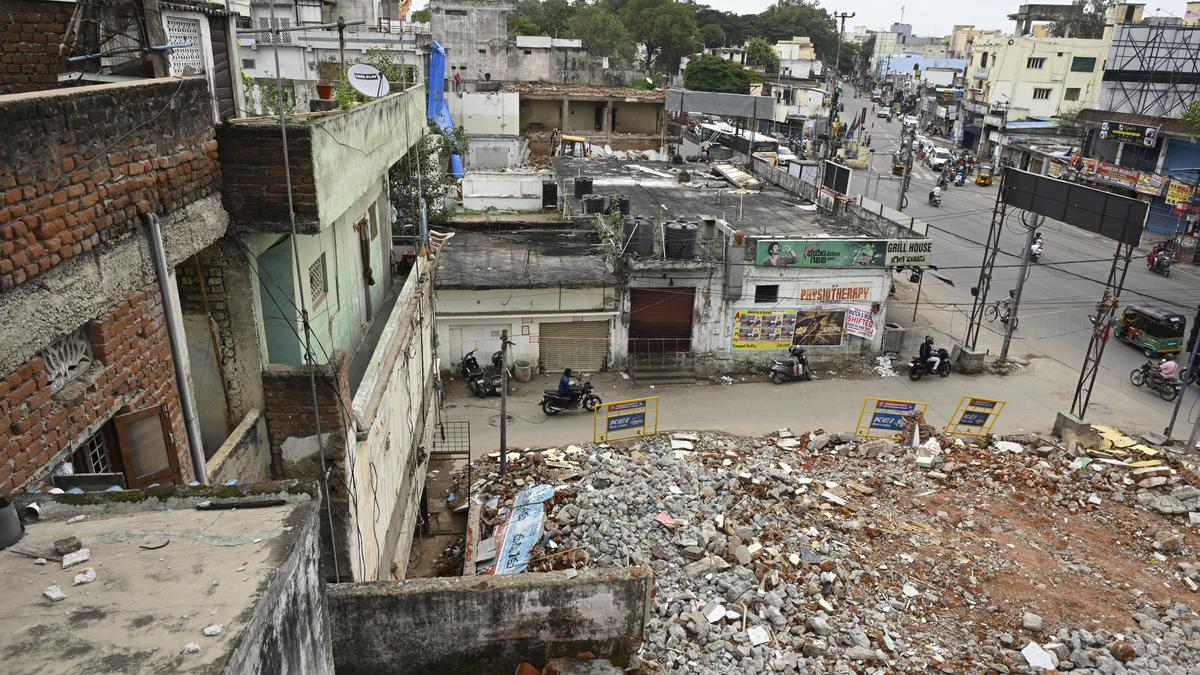
Hyderabad is undergoing one of its most ambitious transport infrastructure transformations yet. The new Paradise-Shamirpet elevated corridor, a massive 18.1-kilometer project along Rajiv Rahadari (State Highway-1), is reshaping the city’s landscape—and with it, the very soul of neighborhoods like Lothkunta.
The Scale of the Project
Stretching from Paradise Junction to the Outer Ring Road near Shamirpet, this mega-project will feature:
- 11.6 km of elevated six-lane flyover
- Service roads for local connectivity
- A short underground tunnel near Hakimpet Air Force Station
- Passage through key areas including Trimulgherry, Karkhana, Lothkunta, Alwal, Bolarum, and Thumkunta
While the corridor promises to ease traffic congestion and improve connectivity across the northern stretch of the city, its construction has come with a heavy emotional and economic cost for the communities in its path.
A Neighborhood Transformed, One Shop at a Time
In Lothkunta, the impact is visceral. A nearly 500-meter stretch has been cleared for road-widening, leaving behind a trail of demolished businesses that once formed the heartbeat of the community. Restaurants, medical shops, bakeries, general stores, sweet shops, tea stalls, automobile workshops, and furniture stores—many of which had served the neighborhood for over two decades—have either been razed or are awaiting demolition.
Among the most poignant losses is Sri Laxmi Reddy Sweets, a beloved evening haunt famous for its chaat and pani puri. “We have had this shop since 2003,” says owner M.N. Reddy, reflecting on the change. “Now our regular customers make the trip to our other branches in Neredmet and Old Alwal.”
Memories Demolished Alongside Buildings
For residents, the loss extends far beyond brick and mortar. These establishments were repositories of personal histories and community memories.
Sanjana A.G., a private employee from Adarsh Nagar, reminisces about a tiny 6×4 foot DVD shop that was once her gateway to cinema. “It was where we bought and rented Bollywood films on Moser Baer discs and Hollywood movies. As OTT streaming took over, the owner switched to selling mobile phone spare parts. Looking back, most of the English I speak today came from the films I watched from that little shop. It was much more than just a store.”
Avula Harish, a resident of West Venkatapuram, recalls a watch repair shop near the Lakshmi Kala Mandir theatre that has now disappeared. “I bought my first watch from there after my Class X exams in 2007. It wasn’t an expensive brand, but it felt special at the time.”
Beyond Private Businesses: Institutional Impact
The corridor’s footprint doesn’t spare public institutions either. The Secunderabad North Zonal Regional Transport Authority office, the Trimulgherry Traffic Police office, and the Karkhana Traffic Police Station are all slated for demolition and relocation. Several defense establishments within the Secunderabad Cantonment are also affected, alongside newer structures like a three-year-old hospital at the Lothkunta Y-junction that has already been demolished.
The Trader’s Dilemma: Rebuilding Connections
For business owners, the challenge isn’t just finding a new location—it’s recreating the intangible bonds built over years of service.
“It is not just about reopening elsewhere,” explains Kamlesh Kumar, whose wholesale edible oil business is awaiting demolition. “Fortunately, we found another place just inside the lane. We have started telling our regular customers where to find us.”
Looking Ahead: Balancing Progress and Preservation
As Hyderabad marches toward a more connected future, the Paradise-Shamirpet elevated corridor stands as a testament to the city’s infrastructural ambitions. Yet, it also serves as a sobering reminder that progress often demands sacrifice.
While the flyover will undoubtedly ease commutes and boost economic activity in the long run, the human cost—the loss of neighborhood character, the displacement of small businesses, and the erasure of shared memories—cannot be overlooked. As construction continues, the city must find ways to honor these communities even as it transforms them, ensuring that Hyderabad’s growth remains inclusive, compassionate, and mindful of the stories that make a neighborhood truly feel like home.